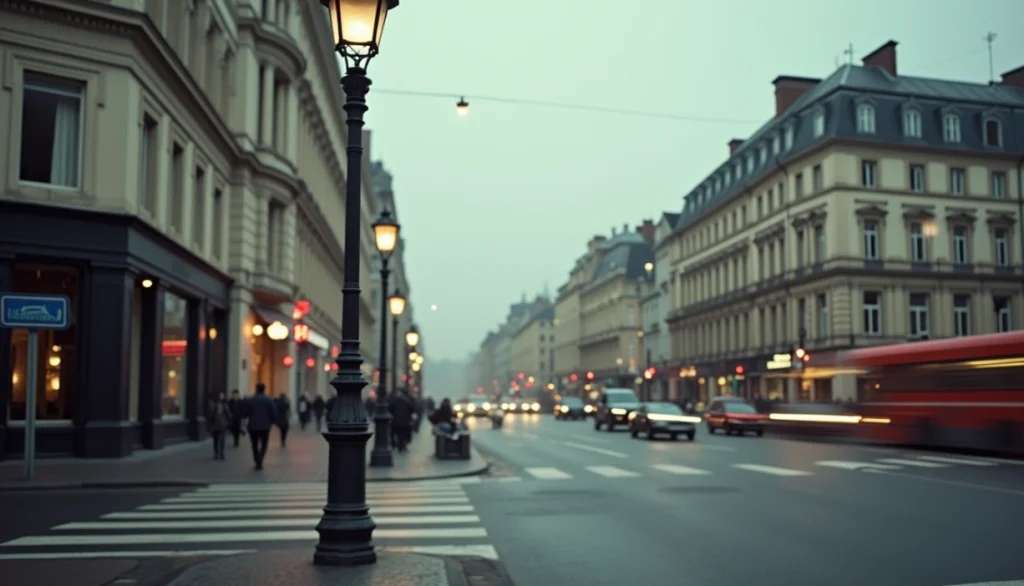
Street photography workshops have become an increasingly popular way for photographers of all levels to improve their skills in real-world environments. Unlike self-learning through books or online tutorials, these workshops provide hands-on experience, guided practice, and direct feedback in dynamic urban settings. They are designed to help photographers understand how to capture authentic moments while navigating the challenges of shooting in public spaces.
Content
Understanding Street Photography Workshops
Street photography workshops are structured learning experiences where participants explore city environments with a professional photographer or instructor. The goal is to develop the ability to observe, anticipate, and capture candid moments that reflect everyday life.
These workshops usually take place in busy urban areas where movement, emotion, and interaction create strong photographic opportunities. Participants learn by doing—walking through streets, observing people, and practicing techniques in real time rather than just studying theory.
The value of these workshops lies in their practical approach. Instead of working alone, photographers learn how to respond quickly to real-life situations while receiving immediate guidance.
Key Learning Areas in Street Photography Workshops
Observation and Awareness
One of the first skills emphasized in street photography workshops is observation. Participants are trained to slow down and notice details that are often overlooked in everyday life. This includes facial expressions, gestures, patterns, and interactions between people.
Developing awareness helps photographers anticipate moments before they happen, which is essential for capturing meaningful images in fast-moving environments.
Composition in Real Environments
Unlike controlled studio photography, street photography requires composing shots in unpredictable situations. Workshops teach how to frame subjects quickly using techniques such as:
Rule of thirds
Leading lines
Natural framing from architecture or surroundings
Participants learn how to create visually balanced images even when scenes are constantly changing.
Timing and Spontaneity
Timing is one of the most critical skills in street photography. Workshops help photographers understand how to react instantly when a powerful moment appears.
This might include capturing a person’s expression, a unique interaction, or a fleeting movement that lasts only a second. Through practice, participants improve their ability to press the shutter at the right moment without hesitation.
Working with Light
Light plays a major role in shaping the mood of street photographs. Workshops often focus on how to use natural light effectively in different conditions.
Early morning and late afternoon light is usually preferred for its softness and depth, while overcast weather can create evenly lit scenes. Participants also learn how shadows and reflections can add drama and interest to their images.
Practical Experience and Field Practice
A major advantage of street photography workshops is the amount of time spent shooting in real environments. Instead of staying in a classroom, participants are constantly practicing in the field.
Instructors often guide small groups through different areas of a city, providing real-time feedback. This helps photographers immediately understand what works and what needs improvement.
This hands-on experience builds confidence and reduces hesitation when shooting in public spaces.
Overcoming Challenges in Street Photography
Many beginners struggle with fear of photographing strangers or feeling uncomfortable in public settings. Street photography workshops address these challenges by encouraging respectful interaction and building confidence gradually.
Participants learn how to blend into the environment, remain discreet, and avoid disrupting natural behavior. This helps create more authentic and natural images.
Workshops also help photographers deal with unpredictable situations such as changing weather, crowded spaces, or fast-moving subjects.
Ethical Considerations in Street Photography
Ethics is an important part of any street photography workshop. Photographers are taught to respect personal boundaries and cultural sensitivities while capturing images in public spaces.
Key ethical principles include:
Avoiding intrusive behavior
Respecting privacy when necessary
Asking for permission when appropriate
Being mindful of how images are used or shared
Understanding these guidelines ensures that photography remains respectful and responsible.
Benefits of Joining Street Photography Workshops
Street photography workshops offer several long-term benefits:
Improved technical skills through guided practice
Faster learning through real-time feedback
Increased confidence in public shooting environments
Stronger ability to tell visual stories
Better understanding of composition and timing
Most importantly, they help photographers develop their personal style by exposing them to different perspectives and techniques.
Conclusion
Street photography workshops provide a practical and immersive way to learn the art of capturing real-life moments. By combining observation, composition, timing, and ethical awareness, these workshops help photographers grow both technically and creatively.
Whether you are a beginner trying to understand the basics or an experienced photographer looking to refine your style, street photography workshops offer valuable experience that can significantly improve your skills in capturing the world as it unfolds naturally.
This author’s life has been an adventure. He has visited over 30 countries, and lived in four different states. He is a traveler at heart, but he also loves exploring the outdoors on his bicycle or hiking with his canine companion.